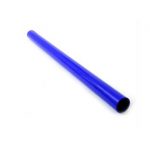



Description
PVC Tube.
Applications:
- Vacuum lines: PVC Tube is used as vacuum lines in the vehicle’s engine for various purposes, such as controlling air intake or regulating pressure.
- Fuel lines: Used as fuel lines to transport fuel from the fuel tank to the engine, ensuring a proper fuel supply.
- Brake lines: Used as brake lines to transmit hydraulic pressure from the master cylinder to the brake calipers or wheel cylinders.
- Transmission lines: PVC Tube is used as transmission cooler lines to carry transmission fluid between the transmission and the radiator or transmission cooler.
- Coolant lines: PVC Tube is used as coolant lines to circulate coolant between the engine and the radiator, heater core, or other cooling system components.
- Windshield washer fluid lines: Used as windshield washer fluid lines to transport washer fluid from the washer reservoir to the windshield sprayers.
- Power steering lines: Used as power steering lines to transmit hydraulic pressure from the power steering pump to the steering gear or rack.
- Air conditioning lines: Used as air conditioning lines to carry refrigerant between the compressor, condenser, evaporator, and other A/C system components.
- Emission control lines: Used as emission control lines to direct the flow of air or vapor within the vehicle’s emission control system.
- Vacuum reservoir lines: PVC Tube is used as lines connecting vacuum reservoirs to various vacuum-operated components, such as the HVAC system or EGR valve.
- PCV (Positive Crankcase Ventilation) lines: Used as PCV lines to transport blow-by gases from the engine crankcase to the intake manifold.
- Evaporative emission lines: Used as lines in the evaporative emission control system to route fuel vapors from the fuel tank to the charcoal canister.
- Turbocharger intercooler lines: Used as intercooler lines to connect the turbocharger and the intercooler, transferring compressed air for cooling.
- Washer fluid recirculation lines: Used as recirculation lines in washer fluid systems to route excess fluid back to the washer reservoir.
- Sound system wiring conduit: Used as conduit to protect and route audio wiring between the head unit and speakers in the vehicle’s sound system.
- Cabin ventilation lines: Used as ventilation lines to route fresh air or recirculated air from the HVAC system to different parts of the vehicle cabin.
- Wire harness protection: Used as a protective covering for wire harnesses, ensuring insulation and safeguarding against damage.
- Suspension system protection: Used as protective sleeves for suspension system components, such as shock absorber lines or sway bar links.
- Fluid overflow lines: Used as overflow lines for various vehicle fluids, such as coolant, power steering fluid, or brake fluid.
- Interior trim or upholstery applications: Used creatively in interior applications, such as trim or upholstery, to enhance aesthetics or provide functional features.
Features:
- Material: Made from durable PVC (polyvinyl chloride), providing flexibility, resistance to chemicals, and long-lasting performance.
- Temperature resistance: Withstands a wide range of temperatures typically encountered in vehicle applications, ensuring stability and reliability.
- Corrosion resistance: Resistant to corrosion from fuel, coolant, brake fluid, and other vehicle fluids.
- UV resistance: Resistant to ultraviolet (UV) rays, minimizing degradation or discoloration when exposed to sunlight.
- Flexibility: Flexible and bendable, allowing for easy routing and installation in tight or complex spaces.
- Lightweight: Lightweight construction for easy handling and reduced overall vehicle weight.
- Easy installation: Designed for straightforward installation, allowing for a hassle-free process.
- Versatility: Suitable for a wide range of fluid or air routing applications within the vehicle.
- Good insulation properties: Provides insulation for electrical wiring or components, preventing short circuits or electrical interference.
- Smooth interior: Smooth inner surface for improved fluid or air flow, minimizing turbulence and pressure loss.
- Resilience: Resistant to cracking, splitting, or collapsing under typical vehicle operating conditions.
- Low friction: Low friction inner surface to minimize resistance and pressure drop in fluid or air flow.
- Cost-effective: Offers a cost-effective solution for fluid or air routing needs compared to other materials.
- Easy maintenance: Can be easily cleaned and maintained, ensuring proper functionality and longevity.
- Customizable length: Available in various lengths, allowing for customization to specific application requirements.
- Cut-to-length convenience: Can be easily cut to the desired length using common tools, ensuring a precise fit.
- Secure connections: Compatible with various connectors, clamps, or fittings for secure and leak-free connections.
- Good impact resistance: Resistant to impacts or vibrations encountered during vehicle operation, maintaining integrity and functionality.
- Flame retardant: Meets flame retardant standards for safety and compliance in automotive applications.
- Wide availability: Widely available in different sizes and configurations to suit various vehicle needs.


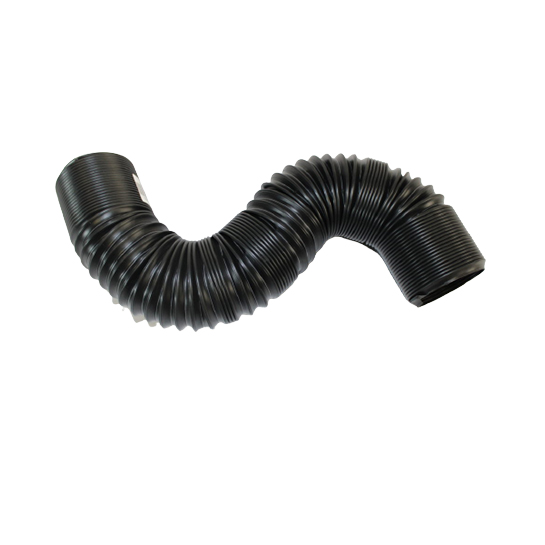


Reviews
There are no reviews yet.