
Description
AC Safety Belts.
Applications:
- Cars: Safety belts are essential for passenger cars to provide occupant protection in the event of a collision.
- Trucks: Safety belts are crucial for truck drivers and passengers to ensure their safety during long-haul journeys.
- Buses: Safety belts are important in buses to protect passengers from potential injuries in case of sudden stops or accidents.
- Motorcycles: Safety belts can be used in certain motorcycle models to provide additional safety to the rider.
- Emergency Vehicles: Safety belts are necessary in emergency vehicles such as ambulances and fire trucks to keep the crew securely seated during high-speed responses.
- Off-Road Vehicles: Safety belts are used in off-road vehicles like ATVs and dune buggies to protect occupants during rough terrain or rollover incidents.
- Racing Cars: Safety belts are crucial in racing cars to keep drivers securely strapped in, providing protection during high-speed collisions.
- Construction Vehicles: Safety belts are essential in construction vehicles to protect operators and workers from potential accidents or vehicle rollovers.
- Public Transportation: Safety belts can be installed in public transportation vehicles like trains or trams to enhance passenger safety.
- Military Vehicles: Safety belts are used in military vehicles to protect soldiers during transportation or combat operations.
- Recreational Vehicles: Safety belts are important in RVs and campers to secure passengers while on the move and reduce the risk of injuries during sudden stops or accidents.
- Agricultural Machinery: AC Safety Belts safety belts can be installed in agricultural machinery such as tractors or combines to protect operators during farm operations.
Features:
- Retractable Design: Safety belts with a retractable mechanism allow for easy and convenient usage while providing a snug fit.
- Adjustable Length: Safety belts with adjustable lengths accommodate passengers of different sizes and ensure a comfortable fit.
- Locking Mechanism: Safety belts equipped with a locking mechanism prevent excessive slack and ensure that the belt remains tight during sudden movements or collisions.
- Three-Point Harness: A three-point safety belt system consists of a lap belt and a shoulder belt that provide improved restraint and distribute impact forces across the body.
- Lap Belt: Lap belts are designed to secure the occupant’s lower body and prevent them from being thrown forward in a collision.
- Shoulder Belt: Shoulder belts cross the chest and shoulder area, restraining the upper body and reducing the risk of head and neck injuries.
- Pretensioners: Pretensioners automatically tighten the safety belt during a collision or sudden stop, minimizing slack and improving occupant protection.
- Load Limiters: Load limiters allow controlled release of the safety belt’s tension during a collision, reducing the risk of chest injuries.
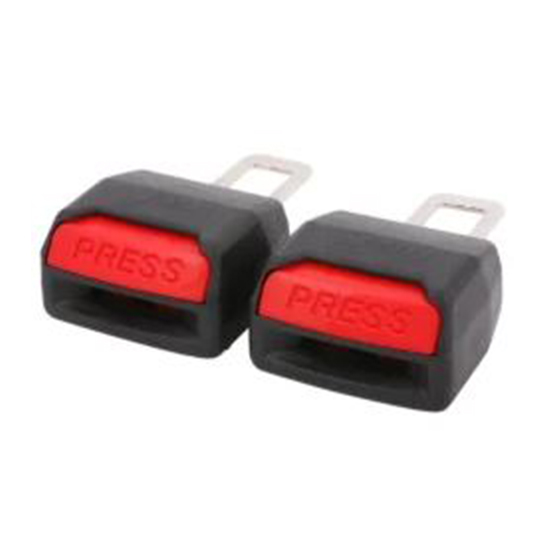
- Seat Belt Buckle: A durable and reliable seat belt buckle ensures secure fastening and quick release in case of emergencies.
- Webbing Material: Safety belt webbing made of high-strength materials like nylon or polyester offers durability and resistance to wear and tear.
- Safety Belt Warning System: Some safety belts are equipped with a warning system that alerts occupants if they have not fastened their seat belts properly, promoting compliance and safety.
- Energy Absorption: AC Safety Belts safety belts with energy absorption features help reduce the impact forces transmitted to the wearer during a collision, minimizing the risk of injuries.








Reviews
There are no reviews yet.